
Solar Panels Yarmouth, Nova Scotia
Solar PV and battery storage for the Tri-County region. District of Yarmouth Clean Energy Financing PACE for rural properties, NS Power net metering, and battery solutions built for direct Atlantic exposure.
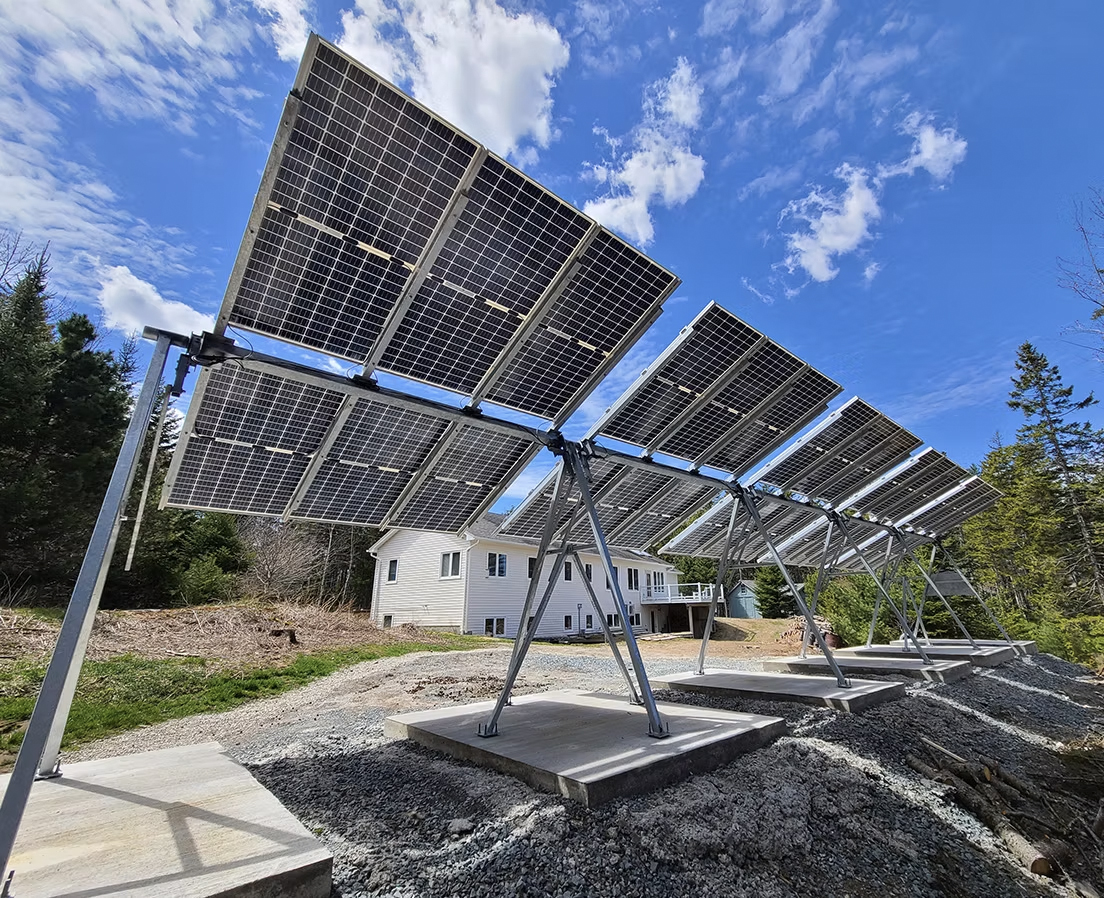
Direct Atlantic Exposure Meets Strong PACE Eligibility
Located at the southwestern tip of the province roughly 3.5 hours from Halifax, this Tri-County hub serves Yarmouth County, Digby County, and Shelburne County. The population of the town itself is around 7,000, with the broader Municipality of the District of Yarmouth covering surrounding rural communities. The area has some of the highest direct Atlantic exposure in NS, which shapes both the solar production picture and the battery storage conversation.
The District of Yarmouth participates in Clean Foundation's Clean Energy Financing PACE framework, with a particular note: the program is currently scoped to rural properties only, with a financing cap of $15,000 over 10 years. The Town of Yarmouth itself has its own jurisdiction. We help homeowners understand which program applies to their specific address during the proposal phase.
Why Solar + Battery Is Particularly Compelling Here
Storm-exposed coastal feeders make NS Power outages frequent and sometimes extended. Tri-County properties report 1 to 3 multi-day outages per year on average, with rural feeders sometimes waiting longer for restoration than town addresses. A 10 kWh to 20 kWh battery paired with solar lets a household ride out these events indefinitely as long as some daylight returns.
Production Expectations for the Region
NRCan modelling indicates Tri-County solar produces roughly 1,050 to 1,080 kWh per kW installed annually, slightly below HRM due to higher coastal fog and cloud incidence. A 10 kW system here generates approximately 10,650 kWh per year. The lower production per kW is partially offset by the strong battery-pairing case, which provides real resilience value on top of bill savings.
What Local Installers Know
Our installer partners who work the southwestern part of the province bring specific experience with marine-grade hardware, salt-fog rated electrical components, and the area's typical roof archetypes. Many local homes are wood-frame construction with steep-pitched gable roofs that take to standard rail-mount solar installs well, with appropriate wind-loading engineering for the regional exposure category.
Federal Programs Recap
For residential customers in the area, the federal Canada Greener Homes Grant and Loan programs are both closed to new applicants. The Efficiency NS SolarHomes rebate closed in April 2025. What remains active and valuable for area homeowners: NS Power 1:1 net metering, the District PACE program for eligible rural properties, and the 30% federal Clean Tech ITC for commercial projects.
What We Help With
Residential Solar →
Rooftop solar PV systems sized to your actual NS Power usage. 5 to 20 kW with Tier-1 panels and microinverters.
Battery Storage →
Tesla Powerwall, Enphase IQ, and Franklin batteries for storm backup and solar self-consumption.
Solar + Battery →
Integrated systems designed together for optimal sizing, single warranty, and seamless storm operation.
Commercial Solar →
30% federal Clean Tech ITC eligible commercial installs for NS businesses, farms, and non-profits.
Installation Process →
Permits, structural, electrical, NS Power Net Metering Application, inspection, and commissioning.
Other Western NS Communities
Bridgewater →
South Shore town to the east with its own Clean Energy Financing PACE program for residential solar upgrades.
Lunenburg →
UNESCO World Heritage town with District-wide PACE eligibility and heritage-sensitive solar design experience.
Halifax →
The HRM metro roughly 3.5 hours east. Solar City PACE at 4.75% / 10 years sets the urban benchmark.
Common Questions From Tri-County Homeowners
Get Your Tri-County Solar Estimate
Send a recent NS Power bill. We will model your property, factor in your municipality's PACE options, and email you transparent numbers within a week.
Or call directly: (902) 707-5253