
The Solar Installation Process in Nova Scotia
What actually happens between signing the contract and switching your solar system on. Permits, structural review, electrical upgrades, NS Power interconnection, inspection, and commissioning. Typical timeline: 6 to 10 weeks.
Eight Steps From Contract to Solar Powered
Most of solar installation in Nova Scotia is paperwork and coordination, not roof work. The physical installation of a typical 10 kW system takes 2 to 3 days. Everything else, permits, structural review, NS Power Net Metering Application, financing approval, inspection, meter swap, is what stretches the calendar to 6 to 10 weeks. Here is what actually happens at each stage.
Step 1: Site Assessment (Week 1)
An installer partner visits your property in person. They confirm roof condition (age, pitch, material), measure exact dimensions, evaluate shading throughout the year, inspect your electrical panel, identify the main service drop location, and discuss your goals. Expect 1 to 2 hours on site. You receive a fixed all-in quote within a few days, with HST included and your municipality's PACE financing terms factored in.
Step 2: System Design (Week 1-2)
A detailed engineering design is produced based on the site visit and your last 12 months of NS Power usage. The design includes panel layout, string configuration, inverter selection, wiring runs, mounting hardware, and load calculations. For systems over 10 kW or for structural concerns, a Professional Engineer (P.Eng.) stamps the structural and electrical drawings.
Step 3: Permits and Approvals (Week 2-5)
Your installer files three parallel applications. The municipal building permit through your local jurisdiction. The NS Power Net Metering Application to interconnect the system to the grid. The PACE financing application if you are using Halifax Solar City or another municipal program. Permits typically take 2 to 4 weeks depending on the municipality's current load. NS Power approval typically runs 2 to 4 weeks.
Step 4: Financing Approval (Week 2-4)
If you are using PACE financing, the municipality reviews your property tax standing, equity position, and project details. Approval is typically straightforward for homeowners current on property taxes. Solar City in HRM has the most streamlined process. Other PACE programs have slightly more paperwork but are generally turnkey.
Step 5: Procurement (Week 3-5)
Panels, inverters, mounting hardware, and electrical components are ordered. Most major Tier-1 panel brands ship from North American warehouses in 1 to 3 weeks. Battery storage (if included) can have longer lead times during high-demand seasons, especially for Tesla Powerwall.
Step 6: Installation (Week 5-8)
This is the physical work. For a typical 10 kW residential install: day 1 is mounting rails and panels on the roof, day 2 is electrical (inverter, conduit, panel work, disconnect), day 3 is testing and cleanup. Larger systems or those with battery storage add 1 to 2 days. Your installer coordinates the work and minimizes disruption. You do not need to be home the whole time, but be available for the kickoff and the wrap-up walkthrough.
Step 7: Inspection (Week 7-9)
The municipal building inspector and the electrical inspector each visit to confirm the installation meets code. NS Power may also require a witness test depending on system size. These inspections happen sequentially, not on the same day, which adds calendar time but not work for you.
Step 8: Meter Swap and Commissioning (Week 8-10)
After all inspections pass, NS Power schedules a meter swap to install a bi-directional meter that measures both consumption and export. This is typically a 30-minute appointment with a brief power interruption. Once the new meter is in, your installer commissions the system, configures the monitoring app, and you are officially generating solar power.
What Could Cause Delays
- Roof issues found during install requiring repair before mounting (rare but possible)
- 200 amp panel upgrade required if your home has 100 amp service (adds 1 to 2 weeks for electrical work)
- NS Power application queue can stretch during high-demand months (typically spring)
- PACE program review if your property tax standing requires verification
- Weather winter installs can delay due to snow on the roof, though most installs proceed year-round
What Our Advisory Adds to the Install Process
Paperwork Coordination
Permits, NS Power Net Metering Application, and PACE financing filed in parallel by an experienced installer partner rather than chasing three timelines yourself.
Single Point of Contact
One project manager owns your install. If anything stalls or shifts, you have one person to call instead of pinging three separate offices.
Realistic Timelines
We give you the actual range (6 to 10 weeks for a typical install), not the marketing number. You plan around real dates.
Vetted Installer Partners
All work done by licensed electricians and certified solar installers. Full liability coverage and workmanship warranty in writing.
Where Install Fits Into the Bigger Picture
Residential Solar →
System sizing, panel selection, and what to expect from a typical 5 to 15 kW NS rooftop install.
Solar + Battery →
What changes in the install process when you bundle battery storage with solar. Typically adds 1 to 2 days.
Commercial Solar →
Larger commercial installs follow a similar process but typically run 4 to 7 months due to engineering review and NS Power interconnection studies.
Solar Installation Across Nova Scotia
Halifax Solar Installation →
HRM solar installs benefit from Solar City PACE and the most experienced installer pool in the province.
Dartmouth Solar Installation →
Same HRM Solar City eligibility, with installers experienced in Dartmouth's mid-century roofing styles.
Truro Solar Installation →
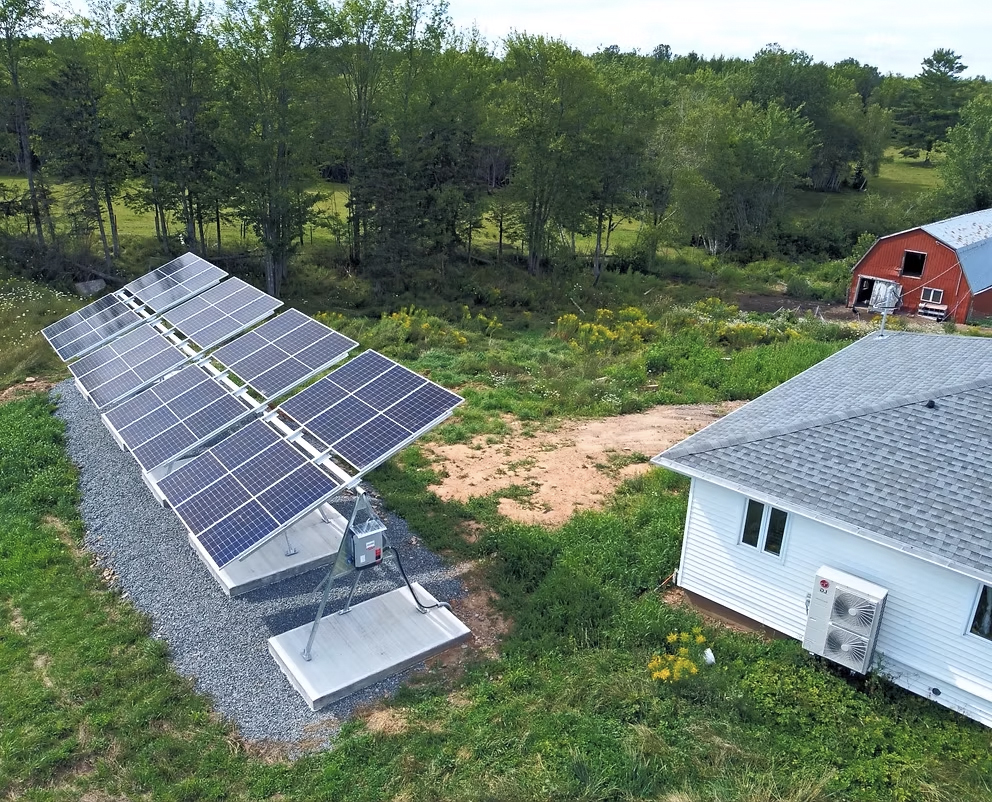
SolarColchester PACE eligibility plus strong rural roof access for ground-mount alternatives where roofs are not ideal.
Common Install Questions From NS Homeowners
Ready to Start the Process?
Send us a recent NS Power bill and we will set up your initial site assessment within a week. From there, expect your panels producing power within 6 to 10 weeks.
Or call directly: (902) 707-5253